Press timelines are getting tighter, yet expectations for accuracy and impact keep rising. AI-assisted press releases help PR teams move faster without sacrificing quality, as long as you adopt a disciplined workflow. This guide shows how to plan, draft, fact check, optimize for search, and distribute your news using AI with confidence.
Selecting the right stack of AI press release tools is only the start. The real lift comes from your process, your inputs, and the guardrails you set so every output is on brand, compliant, and journalist friendly.
Once your core workflow is in place, you can extend it into a repeatable content automation workflow, saving time on routine updates while keeping human oversight where it matters most.
AI performs best when it is fed structured facts and clear intent. Before you draft, assemble a one-page brief that captures the essentials. This reduces revisions, aligns stakeholders, and gives your AI a reliable source of truth.
Focus on clarity, not length. The goal is to supply verified inputs the model can reference during generation and editing.
Think of AI as your first-draft partner. You provide the brief and constraints, AI produces structured options, you edit for nuance and accuracy. Consistency comes from using the same steps each time.
Paste your vetted brief into the AI workspace, then lock it as the reference. If your tool supports documents or knowledge bases, store boilerplates, executive bios, and past releases there. This reduces drift and keeps language aligned with brand voice.
Effective prompts are specific about goal, audience, structure, and tone. They also constrain the model to use only the facts you supply.
Ask the AI for two or three alternate headlines, subheads, and ledes, each targeting a slightly different angle, such as innovation, business impact, or customer outcomes. Combine the strongest elements into a single draft that fits your brand narrative.
Quotes are the heart of your release, they add voice and authority. Provide a few approved quote themes, then have AI draft variations that match each speaker’s style. Layer in proof points like third party data or case metrics to increase credibility.
Once the master draft is approved, use AI to create versions for priority regions or verticals. Keep the facts identical, only adapt spelling, measurements, regulatory wording, and examples to the local context.
AI can accelerate writing, but you control integrity. Build a lightweight review layer that catches factual errors, risky claims, and tone mismatches before they ship.
Run this quick checklist every time, even for minor updates. It reduces corrections and protects credibility.
Press releases should be highly scannable, accurate, and helpful. SEO complements that goal when you prioritize clarity over keyword stuffing. AI can suggest variations, but human judgment keeps the copy natural.
Include a primary keyword with the brand and product, but keep the headline under 70 characters when possible. Use the first 150 to 200 words to answer who, what, when, where, why, and impact. This helps both readers and search engines.
Use short paragraphs, descriptive subheads, and plain language. Add a concise boilerplate with consistent brand descriptors. Link to a media kit or product page with UTM tags to measure referral traffic. If your newsroom supports it, add structured data through your CMS to improve eligibility for rich results.
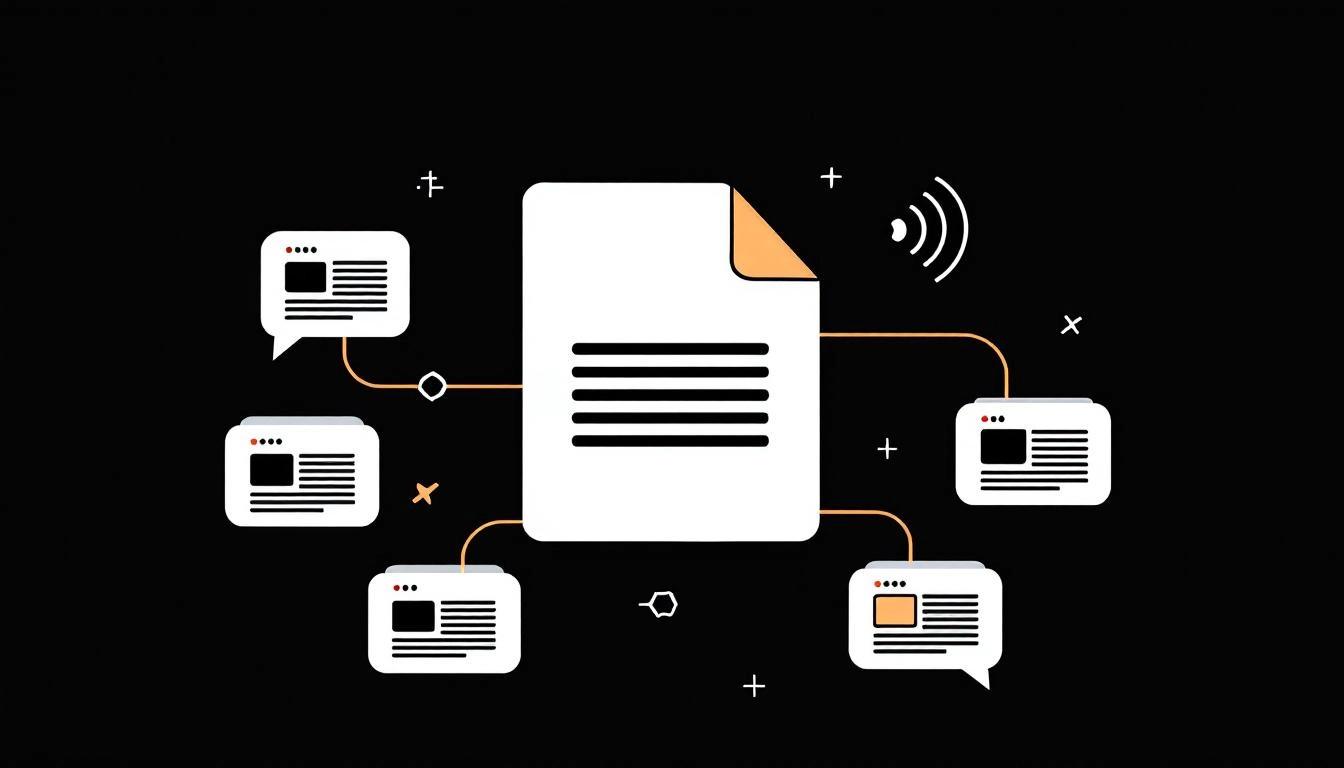
Balance owned, earned, and shared channels. AI helps you adapt your message without diluting it, turning the core announcement into channel-specific assets that respect each format.
Publish on your newsroom first, then distribute through your wire service if applicable. Tailor short summaries for social platforms, a concise note for targeted journalist outreach, and an announcement blurb for your newsletter. For partners or developers, consider a technical blog post that expands on implementation details.
Set goals before you publish, then track the signals that map to those goals. Use AI to classify coverage, summarize sentiment, and surface story angles that are gaining traction for rapid follow up.
Beyond coverage volume, watch quality indicators like domain authority of pickups, backlink growth to your newsroom page, referral traffic and time on page, journalist replies to your pitch, and conversions tied to the release, such as demo requests or waitlist signups.
Treat prompts as living templates. Save what works, iterate after every release, and keep a short library for common scenarios such as product launches, partnerships, funding news, and research findings.
Most AI misfires trace back to weak inputs or skipped reviews. A few small habits will keep quality high and risk low.
Document your steps in a simple standard operating procedure, from brief to measurement. Assign owners for drafting, fact checking, legal review, and final approval. The combination of strong inputs, repeatable prompts, and fast human oversight turns digital PR into a reliable engine for timely, newsworthy releases.
Write your press release for free now with AI using WorldPress Platform.