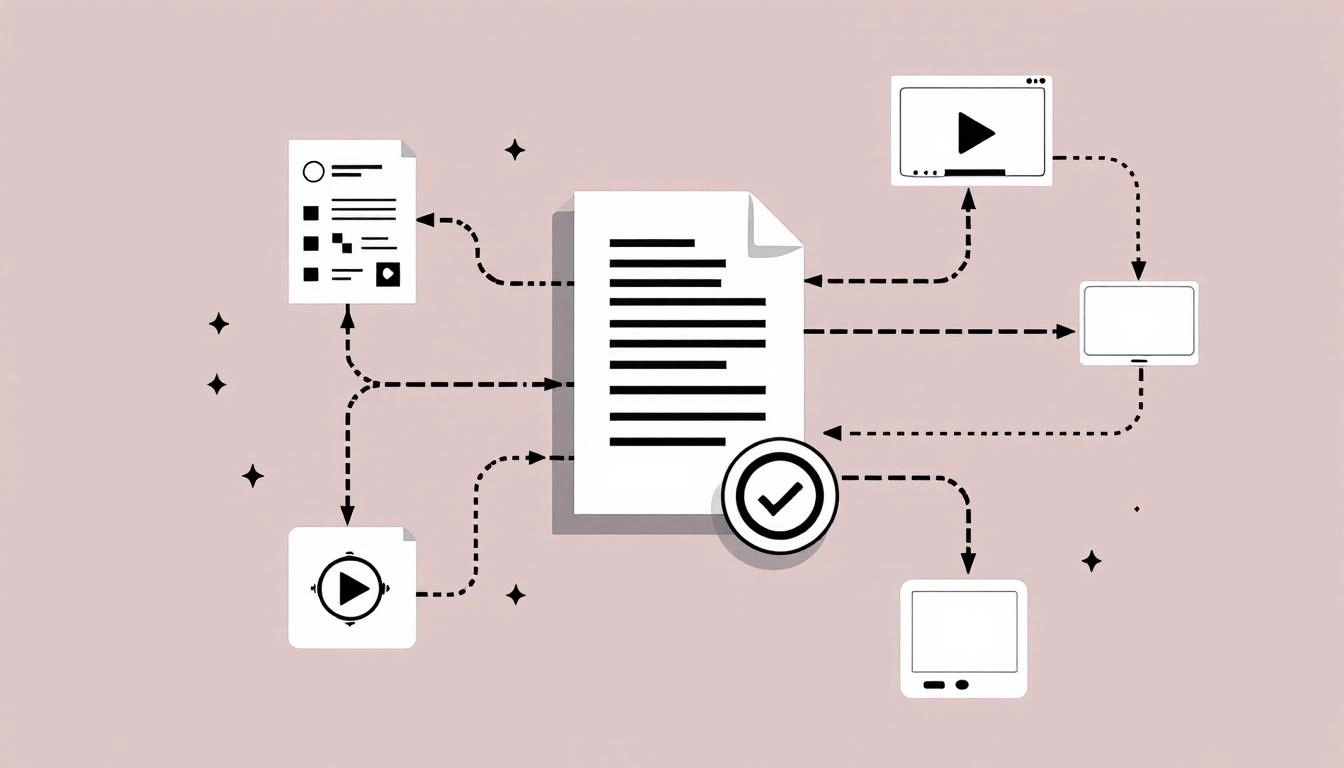
Great media coverage starts long before you hit send. Smart teams treat press release distribution as a repeatable system, not a one time blast. The goal is simple, get your announcement in front of the right journalists and stakeholders at the right time, in the right format, with clear proof of relevance. Below is a practical framework you can adapt for any announcement, from funding rounds to partnerships and product launches.
Every distribution decision is easier when you know what success looks like. Decide if you are optimizing for national reach, local coverage, investor visibility, trade media depth, or organic search impact. Map primary and secondary audiences, then list the outlets and reporters that actually influence those audiences. This prevents over sending and keeps your messaging tight.
Focus on fit, not volume. Segment by beat, location, and past coverage. Personalize each pitch with a one sentence reason the story matters to that reporter’s readers. Maintain notes on preferences, such as lead times or whether they prefer data, spokespeople, or visuals. Modern AI press release tools can help you enrich contacts, summarize past articles, and tailor angles quickly, which improves response rates without sacrificing accuracy.
You have multiple paths to visibility. Combine them intentionally instead of relying on a single send. A wire service can maximize baseline reach and disclosure needs. Direct pitching lands differentiated coverage. Owned channels and partners extend shelf life and search value. Choose a core channel, then add one or two supporting tactics that fit the story strength and timeline.
Wire distribution is efficient for regulatory news, financial disclosures, and broad announcements that benefit from syndication. Direct outreach is better for unique narratives, exclusive data, or executive access. Many teams use a hybrid, embargo select reporters for depth, then publish broadly at go live.
Time zones, newsroom rhythms, and industry calendars matter. Aim for midweek mornings in the reporter’s time zone unless your vertical suggests otherwise. Avoid major news cycles that will eclipse your story. If your news is tied to an event or earnings window, lock timing early with stakeholders. Use embargoes or offers of early access when you need deeper features or data analysis.
Editors need clarity fast. Lead with a specific, benefit oriented headline and a first paragraph that answers who, what, where, when, why, and how. Add one clear quote that advances the story, not fluff. Include high resolution assets with captions and credit. Host a clean web version for linking and indexing, ideally within your newsroom or media center. An online newsroom builder makes it easy to provide permanent links, media kits, and updated facts without email back and forth.
Use the phrases your audience searches for, not jargon. Keep headlines under 70 characters where possible. Add alt text to images, descriptive file names, and a concise meta description. Link to relevant product pages or research. UTM tag your owned links so you can attribute traffic and conversions later.
Make the reporter’s experience frictionless. Keep the pitch short, under 150 words, and paste the full release below your signature. Do not attach heavy files. Instead, include a single link to your assets and a backup plain text link. Use a human sender, a clear subject line, and authenticated domains. If sending to a small list, stagger sends to avoid throttling and to preserve deliverability.
Your website, blog, newsletter, and executive social accounts should all reinforce the announcement. Publish your web version first or at embargo lift, then amplify with concise posts, short clips, or carousels that pull out data points or quotes. Encourage partners and customers quoted in the release to share coordinated messages. Consistency of message and tags helps consolidate search authority and reduces confusion.
One polite follow up 24 to 48 hours after go live is usually enough. Add value with a new angle, a data point, or access to a spokesperson, not a generic check in. If there is no fit, thank the reporter and update your notes. Respect for their time today increases your odds on the next story.
Go beyond vanity impressions. Track open rate, click through to assets, journalist replies, unique placements, referral traffic, search rankings for key terms, and downstream actions such as demo requests or newsletter signups. Compare performance by channel. Over time, this reveals which beats, timing windows, and subject lines work for your brand, so each campaign gets more efficient.
Spray and pray lists damage trust. Overly promotional copy reads like advertising and gets ignored. Sending at the wrong time or burying the lede reduces pickup. Unclear rights or missing image credits delay publication. Skipping accessibility is a miss, always include alt text and transcripts for multimedia. Most of all, do not surprise reporters with last minute changes to timing or facts.
Use this as a final five minute check before you send.
Thoughtful press release distribution is about precision, relationships, and consistency. When you align audience, channel, timing, and packaging, you make it easy for journalists to say yes and for your story to travel across earned, owned, and search with credibility.
Write your press release for free now with AI using WorldPress Platform.