Journalists and stakeholders skim fast, and attention drops even faster. Adding the right visuals can help your story land, yet many teams still attach oversized files, bury assets, or overlook accessibility. This guide shows you how to integrate multimedia into your press releases in a way that strengthens your narrative, improves SEO, accelerates newsroom pickup, and delivers measurable results.
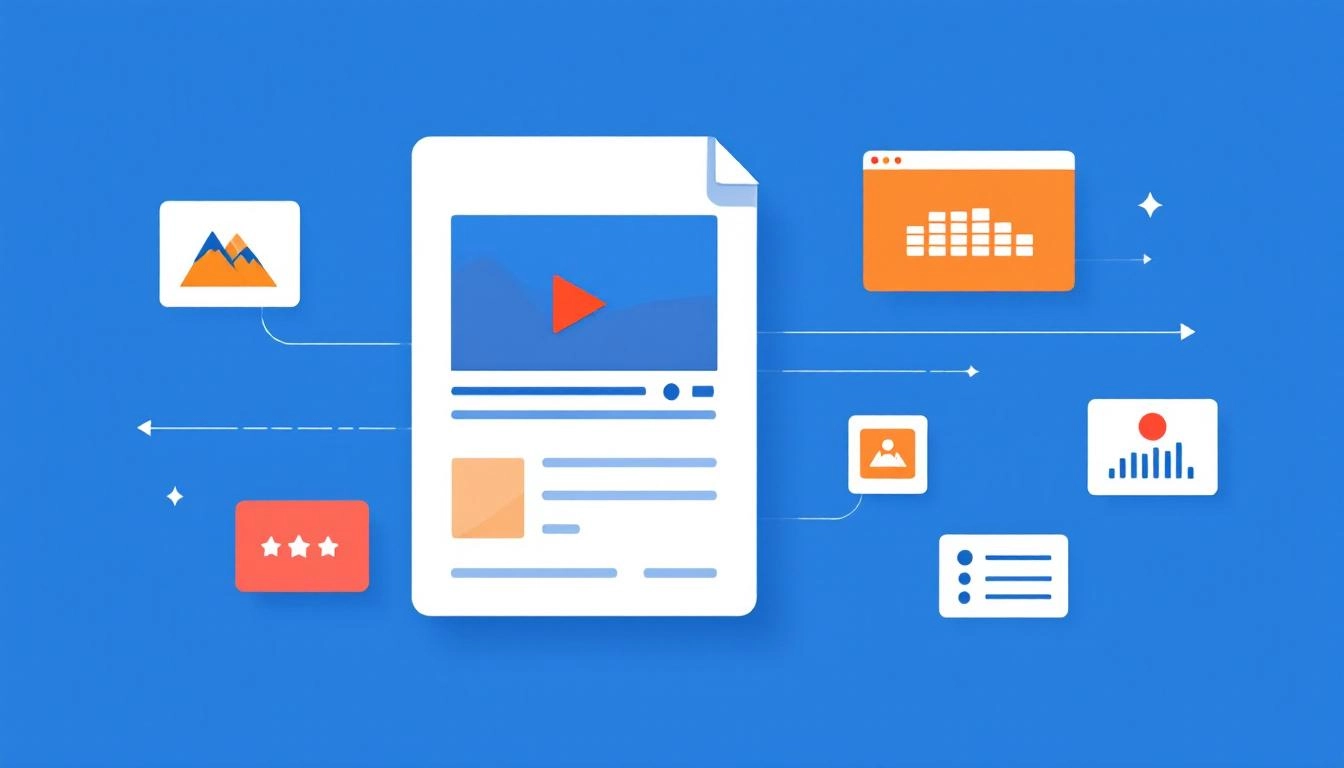
Every strong multimedia press release begins with a single, clear message. Define what readers should remember, then choose the fewest, most persuasive assets to reinforce that point. Map each asset to a sentence in your release, for example product photo that visualizes the key benefit, short demo video that proves ease of use, infographic that simplifies data.
As you plan, consider how technology can streamline creation and packaging. Teams using AI press release tools can auto-generate alt text, resize assets for different channels, and produce media kits faster, which reduces friction for journalists.
Prioritize visuals that remove uncertainty. If your news hinges on performance, show a chart with clear axes. If it hinges on experience, show the product in context. Avoid generic stock that says nothing about your announcement. Editorial-style assets that document real people, places, or product states outperform staged imagery for credibility.
When you package your announcement, pair your core narrative with a small, consistent set of assets. A focused kit makes it easier for editors to tell your story without hunting for files. If you need a repeatable structure, start from adaptable multimedia press release templates to maintain branding and speed.
Different formats have different jobs. Use the right medium for the outcome you want, and optimize for speed, clarity, and accessibility.
Use one hero image that communicates the news at a glance. Choose secondary images that support details like use cases, team leadership, or product angles. Keep compositions simple with ample negative space so they crop well on mobile and social. Include variants horizontal, square, and vertical, and provide a transparent background PNG if cutouts are likely.
Keep videos under 60 to 90 seconds for press releases. Lead with the outcome in the first three seconds, then show proof, not narration alone. Add burned-in captions and upload a caption file for accessibility. Provide a downloadable MP4, H.264 codec, and host a web preview for quick viewing. Include a static thumbnail with a clear focal point and brand-safe color.
Focus on one insight per graphic. Label axes directly, avoid 3D flourishes, and annotate the takeaway in plain language. Offer a web image for quick scanning and a vector PDF for print or republishing. If data is central to your story, include a small methodology note and a link to the full dataset in your media notes or newsroom page.
Short audio can humanize announcements like leadership changes or product unveilings. Use 30 to 60 second snippets with a strong opening line. Provide an accompanying transcript and the speaker name and title in the filename and metadata. Offer WAV for broadcast quality and MP3 for web.
Interactive timelines, product tours, or 3D views can deepen engagement. Host interactive experiences on a fast, mobile-first page, then embed a static image with a clear callout so editors have a fallback if embeds are blocked. Always provide a static alternative asset and a short demo video in the kit.
Journalists will not wrestle with broken links or heavy downloads. Optimize your delivery so assets load instantly and are easy to reuse.
Place your most compelling asset near the top, directly after the lead paragraph, so editors immediately see the heart of the story. Use clear media labels, Image, Video, Download press kit, and list exact credits and usage rights. If embargoed, state the embargo date and time in both the copy and the filename. Include media contact information adjacent to assets to shorten the path from interest to inquiry.
Search engines reward clarity and context. Add descriptive filenames, structured headings, and concise summaries. Implement schema for media assets when possible, for example VideoObject and ImageObject, and ensure your page sets Open Graph and Twitter Card tags so shared links show the correct title, description, and image. Place key phrases naturally near your embeds, for example product demo video or earnings call audio, and avoid stuffing.
Accessibility improves reach and compliance while reflecting brand values. Write meaningful alt text that conveys purpose, not only appearance. Provide caption files for videos and clear transcripts for audio. Ensure color contrast in charts and avoid color as the only means of communication. Make all media controls keyboard accessible and avoid autoplay with sound.
Publish the full release and media kit in your online newsroom, then distribute through your preferred wire service and targeted media list. When you pitch by email, deep link to specific assets, hero image, demo video, data chart, so editors can evaluate in seconds. Prepare social-ready thumbnails and short captions to reduce lift for partner amplification. Mirror your top assets on your newsroom and keep URLs stable for long term referencing.
Treat multimedia as a hypothesis you can test. Tag asset links with UTM parameters to track referral traffic. Monitor time on page, video completion rate, image download counts, and social shares. Record which outlets republish which assets to refine future kits. Use these insights to retire low performing formats and double down on the visuals that consistently earn pickup.
Consistent process prevents last minute fixes and broken experiences. Build a cross functional checklist that pairs editorial, design, web, and legal.
Avoiding a few pitfalls can save your team from preventable drop offs and editorial rework.
Lead with a focused narrative, select a tiny set of high proof assets, and package them for speed, clarity, and accessibility. When your press release shows, not just tells, you help editors publish faster and help audiences understand faster. With a reliable workflow, from planning to measurement, multimedia becomes a repeatable advantage for every announcement.
Write your press release for free now with AI using WorldPress Platform.