Getting your announcement in front of the right journalists is not about blasting a list. Effective press release distribution blends sharp audience targeting, the right channel mix, and disciplined follow up. If you refine these fundamentals, you turn every release into a repeatable engine for awareness, backlinks, and brand credibility.
Journalists cover stories that inform or delight their readers. Before you send anything, pressure test the angle. Why would a specific beat reporter care, and what will their audience gain from your news right now. Many teams accelerate research and drafting with AI press release tools, which helps you shape the headline, subhead, and data points around audience relevance.
A strong media list is curated around outlets and reporters who regularly cover your topic. Use recent bylines, editorial calendars, and social bios to confirm fit. Keep it tight. Quality outreach to 25 to 75 well matched contacts regularly outperforms mass distribution.
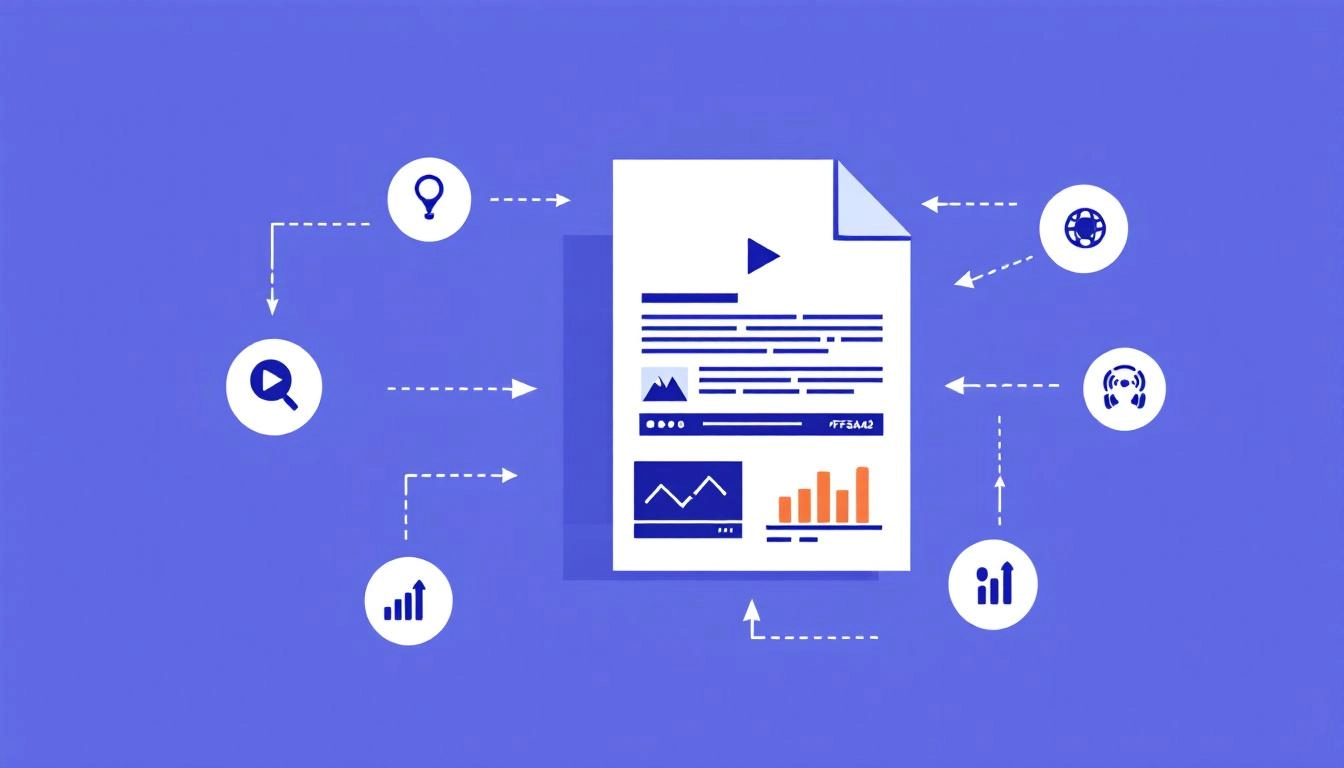
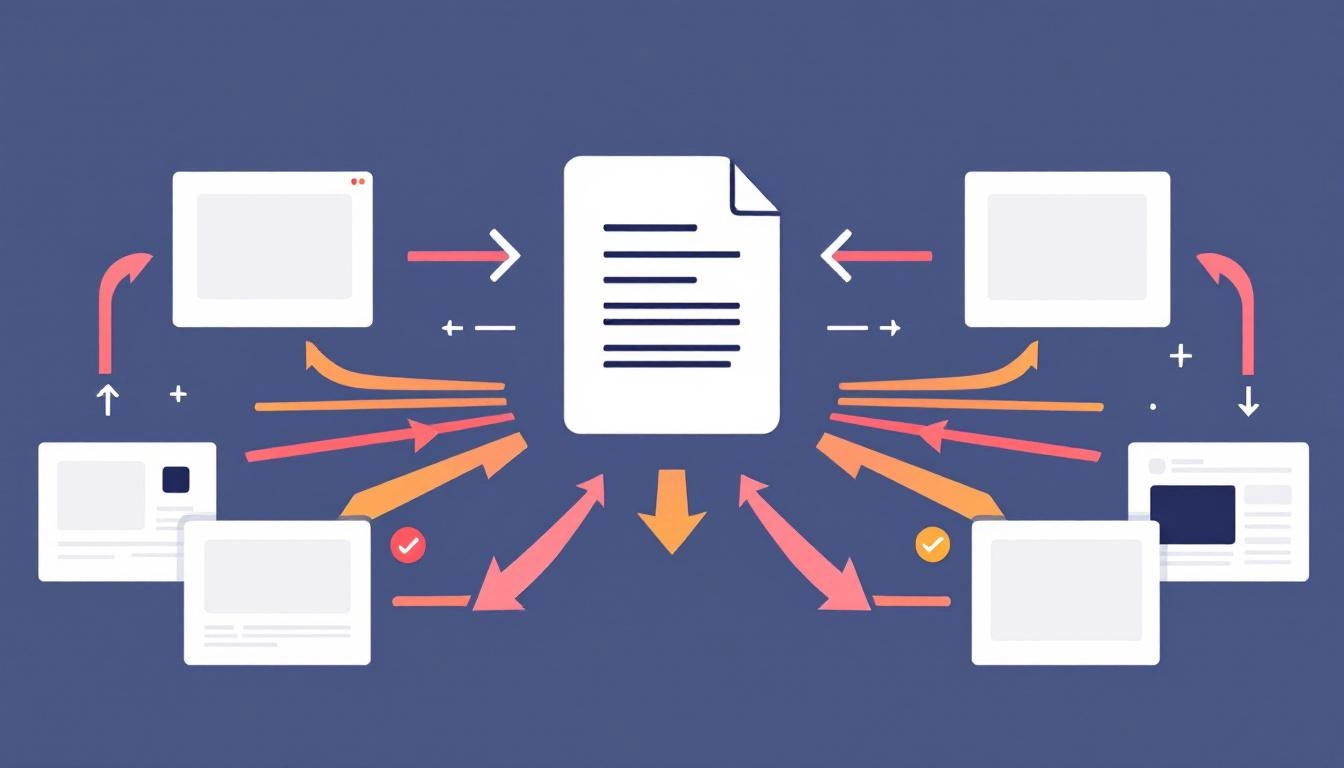
The best results come from combining channels. For broad visibility and search signals, use a reputable wire. For relationship building, send personalized pitches. For control and long term discoverability, publish on your owned newsroom, then amplify on social and email. Treat channels as multipliers, not substitutes.
Send during local business hours, early in the week when possible. Avoid late Fridays and holidays. If your story is time sensitive or competitive, use an embargo with a clear date and time, and only share with reporters who agree to the terms in writing. Follow up once within two business days. Keep it helpful and brief, and respect no interest responses.
Your release should be fast to skim and easy to quote. Use a direct headline with a concrete benefit, a supportive subhead, and a clear first paragraph that answers who, what, when, where, and why. Add one to two quotable lines from a credible spokesperson. Include links to authoritative pages for context. For SEO, use descriptive anchor text, a sensible URL, and relevant keywords in the headline and subhead without stuffing. Always include multimedia, such as a product image or short clip, to improve pickup and engagement.
Journalists open emails that prove you know their beat. Your pitch should explain the angle in two to three sentences, then link to the full release and assets. Avoid attachments unless requested. Make it easy to say yes by anticipating what they need to publish quickly.
Host every release on a branded page with a clean URL, multimedia, contact info, boilerplate, and a clear timestamp. Centralizing assets, including logos and fact sheets, reduces back and forth and increases accuracy. If you are formalizing this capability, explore an online PR newsroom to standardize formatting and speed updates.
After outreach, point your existing audience to the news. Share a concise LinkedIn post with a quote card, update your website homepage module for a limited time, and include the announcement in your next newsletter. Ask executives and partners to engage with the coverage to extend reach. Keep messages tailored to each platform to avoid duplication fatigue.
Track outcomes that map to business value, not vanity metrics. Monitor journalist replies, story placements by tier and relevance, referral traffic to your site, new backlinks and their quality, branded search lift, and engaged time on the newsroom page. Add UTM parameters to every link you control. Use these insights to refine your list, angles, timing, and multimedia choices for the next release.
Even seasoned teams slip into patterns that reduce pickup. Watch for these issues and correct them early.
Create a consistent checklist so your team ships with confidence every time.
Great press release distribution is consistent, respectful, and data informed. If you anchor every send to audience relevance, combine channels thoughtfully, and learn from each campaign, your coverage will compound over time.
Write your press release for free now with AI using WorldPress Platform.