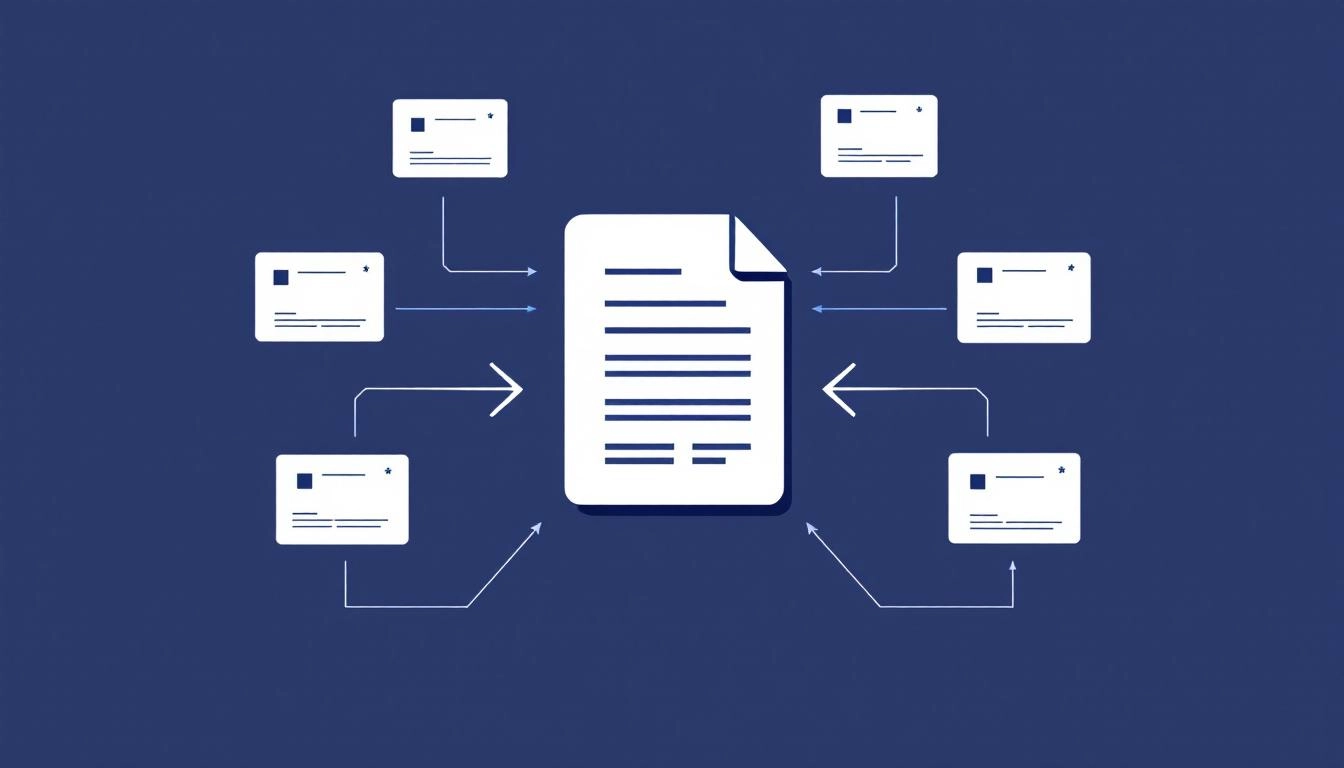
You can write the sharpest announcement in the world, but press release distribution determines whether anyone sees it. Done well, it builds credibility, earns quality mentions, and drives measurable business outcomes. Done poorly, it floods inboxes and gets ignored. Use these best practices to get consistent pickup without spamming journalists or wasting budget.
Before you hit send, define what you want to achieve. Are you seeking trade coverage, investor awareness, local media, or customer trust signals for your website. Clarify the audience, the single most important takeaway, and how you will measure success. If your announcement is not newsworthy, develop a stronger angle, add third party validation, or hold for a milestone that raises the bar.
Align your distribution plan to the objective. For example, product updates often perform better with a targeted pitch, while material corporate news benefits from a broad wire. Tools that streamline targeting and formatting can help, and many teams now lean on AI press release tools to speed research, formatting, and headline testing.
The strongest results come from a tight, relevant media list, not a massive blast. Research journalists’ recent stories, note their beats and preferences, and only include contacts who cover your topic. Keep notes on each relationship, and update the list after every campaign to remove bounces and add new voices.
Create a central home for your assets, past releases, and contact details so journalists can self serve quickly. Modern newsroom software helps you host multimedia, bios, and backgrounders, which increases trust and reduces back and forth.
Distribute where your audience and the media already are. A blended approach often works best. Use a newswire for reach and compliance needs, then complement it with personalized outreach to top tier targets. Consider an exclusive for one outlet when you need depth, or an embargo when coordinated coverage matters. Publish in your newsroom at the same time for a stable source of truth.
Your email is often the first impression. Keep it short, specific, and immediately relevant to the journalist’s beat. Lead with the angle, not the brand. Avoid attachments, link to assets in your newsroom, and include a clear contact for follow up interviews.
Send when your recipients can act. Midweek mornings in the recipient’s time zone often perform well. Avoid major industry events and earnings days that crowd attention. If you use an embargo, confirm the lift time with reporters and make sure your newsroom and wire timing match.
Write a concise headline with the primary keyword, then a first paragraph that answers who, what, when, where, why. Use scannable subheads, include one or two strategic SEO terms naturally, and add a clear boilerplate and media contact. Link to a landing page that deepens the story, and ensure your newsroom page loads fast and is mobile friendly.
Provide high resolution logos, product images, short video, and data visuals. Add alt text, captions, and file sizes. Host assets in one place to avoid large attachments. Include one strong quote that adds insight, not fluff, and make the spokesperson available for interviews.
Thoughtful follow up can double your results. Wait 24 to 48 hours, then send a short note that adds something new, a chart, local angle, or spokesperson availability. If there is no response after a second attempt, move on and nurture the relationship for a future story.
Reporting is more than counting syndications. Track the quality and influence of coverage, and tie outcomes to business goals. Use unique URLs and UTM parameters in your release and newsroom to attribute traffic and conversions. Capture learnings on timing, angles, and contacts so the next campaign improves.
Avoid sending to irrelevant beats, burying the news in the third paragraph, overusing superlatives, or attaching heavy PDFs. Do not make journalists hunt for basics like the date, location, or contact details. Never spam, respect opt outs, and honor embargoes to build long term trust.
Consistency wins. Establish a lightweight process the team can run every time so nothing critical gets missed. Keep it flexible so you can adapt to different stories and markets.
Great press release distribution is precise and relationship driven. Pair a clear story with the right channels, helpful assets, and respectful timing. Measure outcomes that matter, then keep refining. This approach compounds coverage and credibility with every announcement.
Write your press release for free now with AI using WorldPress Platform.