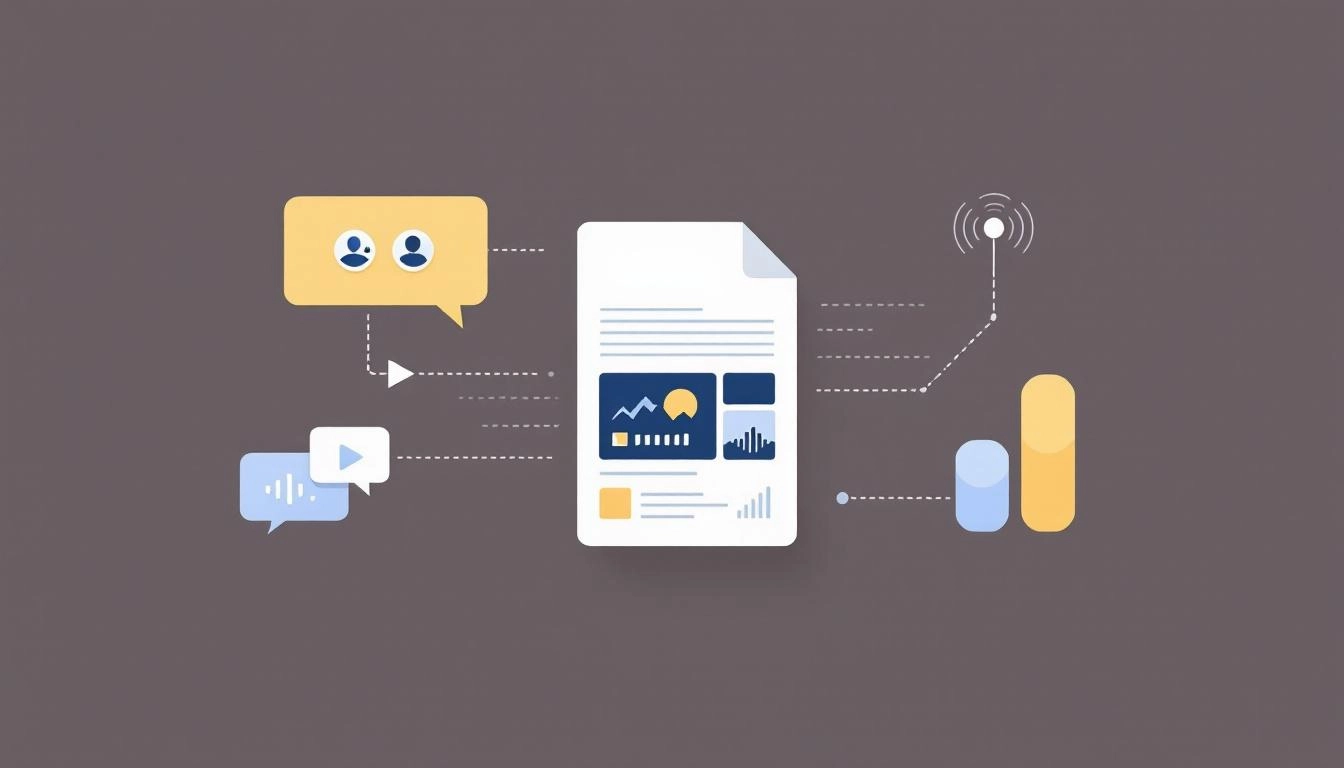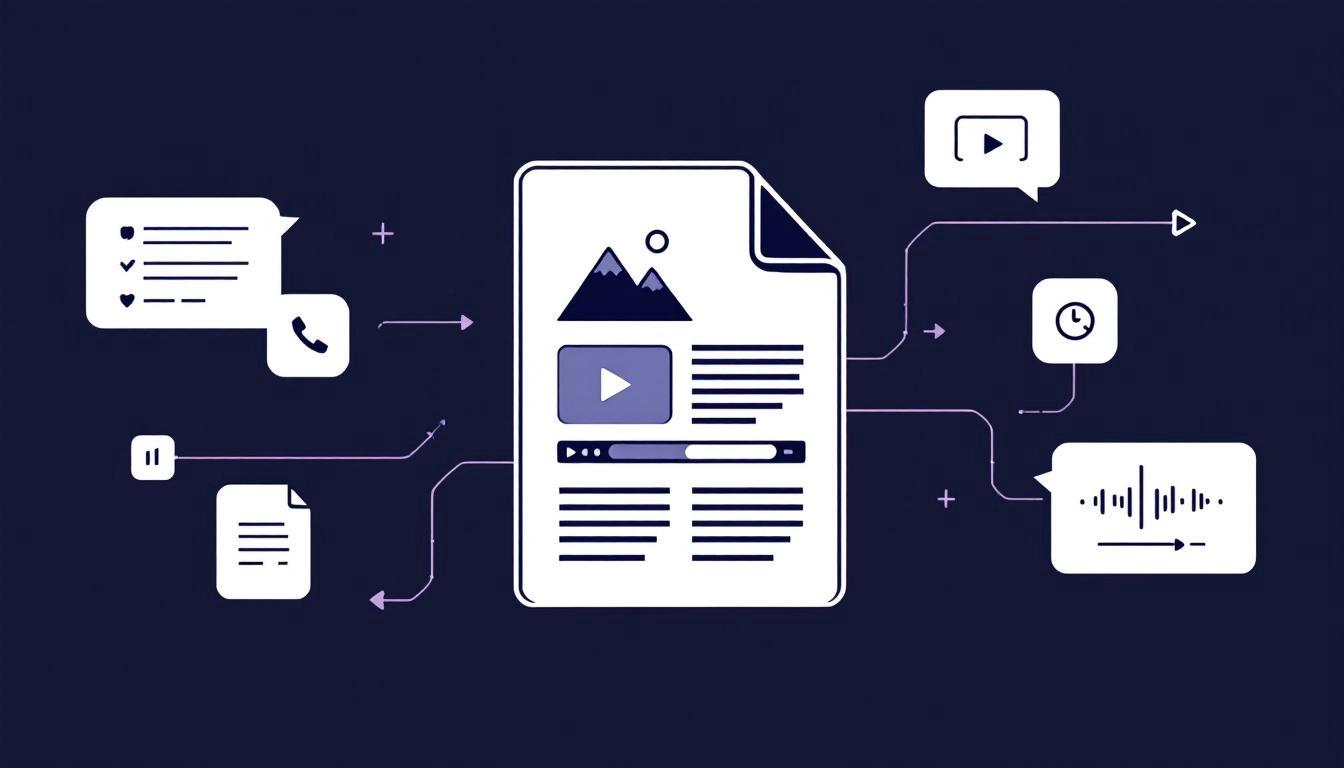
Journalists and stakeholders skim fast. Multimedia helps your news land quickly, adds context that words alone cannot, and improves discoverability. Still, adding videos, images, and interactive assets without a plan can slow pages, confuse readers, and dilute your message. This guide shows you how to integrate multimedia into a press release in a way that strengthens your story, serves reporters, and supports measurable outcomes.
Multimedia is not decoration, it is proof. Begin by defining the single most important takeaway of your release. Then assign each asset a job that reinforces the narrative, for example a 15 second demo clip to show the product in use, a chart to validate a result, or a headshot to humanize a quote. If an asset does not make the story clearer in under five seconds, leave it out.
If you want structure as you plan assets, explore how AI press release tools can map your key message to recommended visuals and pull suggested captions and alt text from your draft.
Pick formats that align with the type of news and the moment in the reader’s journey. A launch needs quick comprehension. Funding or earnings news needs credibility. Event announcements need immediacy. Think in terms of what the journalist needs to publish fast, and what your audience needs to understand with minimal friction.
For distribution checklists and packaging, study a streamlined content automation workflow that keeps your media library clean and your links consistent across channels.
Use at least one editorial grade image near the top of the release. Keep a web optimized version inline for fast load, and offer a downloadable high resolution version in your media kit. Favor WebP or JPEG for photos and PNG for logos and UI captures. Name files descriptively, such as company-product-feature-city-year.jpg. Include concise alt text that describes the image function, not the aesthetics, for example “Product X handheld scanner reading barcode in warehouse.”
Lead with a short primary cut, 30 to 60 seconds, that shows the product or moment in real context. Host on a reliable platform or your CDN, then embed with captions. Provide a silent autoplay teaser only if it starts without sound and has on screen text. Offer a downloadable broadcast safe file in your media center along with a short description, running time, and usage rights. Keep aspect ratios to 16:9 for embeds and provide 1:1 or 9:16 variants for social cutdowns.
For executive announcements, investor news, or complex technology, add a tight audio clip, 30 to 90 seconds, with a transcript. Make the transcript accessible in the page body, not only as a download. Note the speaker’s name and title, and include a clear usage note so newsrooms know how they can reuse it.
Translate complex data into a simple chart that can stand alone outside your site. Provide a web image for quick reference plus a press ready PDF. Keep text large enough to read on mobile, and add a short paragraph in the release that summarizes the chart’s key insight. If you provide a full report, include a one paragraph executive summary, then link to the PDF in your media kit.
Inline embeds should never block the story. Place your primary image above the first quote. Add the video after your second or third paragraph so the reader has context. Provide a clearly labeled media kit link near the end of the release that includes high resolution images, b roll, logos, and headshots. Host heavy assets on a fast CDN and set caching so journalists can download quickly during peak interest.
Always give reporters options. Provide both embed code and direct file links. Include credit lines and usage guidance beside each asset. Note the contact for licensing questions. If you add interactive content, include a static fallback image with a caption so the story remains readable if scripts are blocked.
Multimedia can lift your SEO if it is properly labeled and discoverable. Use concise, keyword aligned file names and fill out titles and descriptions on your hosting platform. Add schema.org markup such as NewsArticle for the release and VideoObject or ImageObject for media. Set Open Graph and Twitter Card tags with the right thumbnail, title, and description to control how your announcement appears when shared.
Accessibility is non negotiable. Provide captions for video and transcripts for audio. Write accurate alt text for images. Ensure color contrast in charts is compliant and do not rely on color alone to communicate differences. Make all downloads keyboard accessible and mobile friendly.
Attach UTM parameters to media kit links and track downloads and plays. Watch where readers drop off in your primary video. Correlate placements with the assets journalists embedded or requested. Over time, you will see patterns. Early funnel product stories tend to benefit from short demo clips. Research driven stories get more pickup when you include a simple, shareable chart and a data table download. Use those findings to update your boilerplate media kit and your next release template.
Keep your team fast by standardizing how multimedia moves from idea to release to distribution. A clear workflow reduces missed steps and compresses approvals.
Most multimedia problems come from overloading the page or under preparing the files. Avoid these pitfalls and your releases will load fast and travel farther.
Before you ship, confirm that your story is clear, your media is purposeful, and your page is fast. Verify that your embeds work on mobile, your downloads are accessible, and your metadata is complete. When in doubt, ask a colleague to skim the release for ten seconds. If they can retell the story and recall the visual, you are ready to publish.
Write your press release for free now with AI using WorldPress Platform.